



Care and compassion at the end of life
There are many areas of care that are important, rewarding and life changing. But for me, end of life care is different. It is not simply part of the job. It is a privilege and an honour, one of the greatest responsibilities we are given in a care home.
I started working in care at 17. I had dreamed of becoming a nurse but felt too young for university and wanted real experience first. I stepped into my first nursing home and that experience stayed with me. I worked alongside incredible nurses and a matron who taught me what care should truly look like. Not just clinical procedures and policies, but dignity, compassion and presence. They showed me that caring for someone at the end of life is not about managing death, it is about honouring life until the very end.
As my own life progressed, becoming a young mum and growing within the profession, my passion for end of life care deepened. Working for the British Nursing Association and providing care at home helped me understand something important: how someone dies matters.
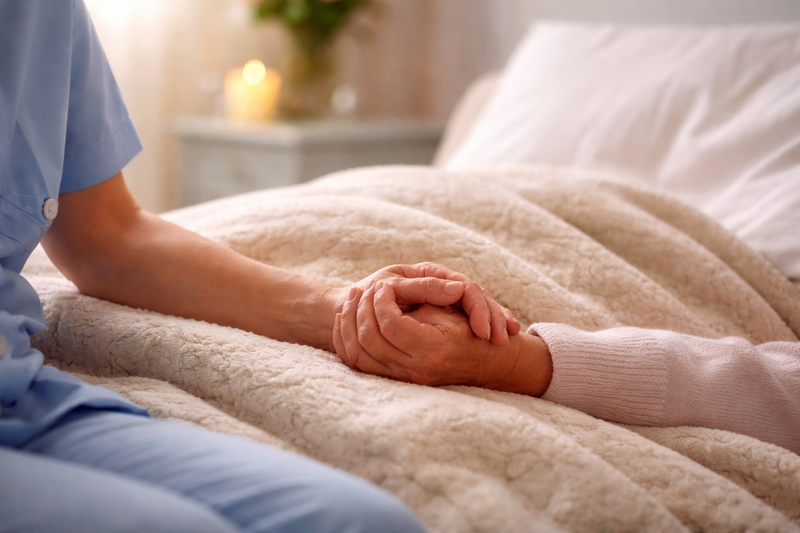
End of life care is not about dying, it is about living well until the end. Of course, comfort and pain control matter. Getting the clinical care right matters. But it is also about holding a hand when words are no longer possible, supporting a relative who is not ready to say goodbye, playing someone’s favourite music or putting their favourite sport on in the background. It is about making sure no one feels alone or afraid and preserving dignity in every moment.
Families rarely remember the medication we administered. They remember how we made them feel. They remember whether their loved one looked peaceful and whether staff showed them kindness. Compassion is not an optional extra in end of life care. It is the foundation.
Families are often navigating shock, grief and fear all at once. They are exhausted and vulnerable, watching someone they love slip away. In those moments, we are not just carers or nurses, we are anchors. Being empathetic does not mean having perfect words. Often there are none. It means sitting in silence, allowing tears and sometimes sharing them. It means acknowledging pain rather than trying to fix it.
I have always been someone who feels deeply, and in end of life care that has become one of my greatest strengths. To truly support someone at the end of their life, you must care wholeheartedly and without judgement.
Every person deserves dignity until their final breath. That means respecting their wishes, listening to their preferences, advocating for them, supporting spiritual or cultural needs and ensuring privacy and respect. Death should feel safe, gentle and supported.
I have seen the difference good end of life care makes. I have seen families leave the care home heartbroken but reassured that their loved one was comfortable, peaceful and surrounded by care. When someone is approaching the end, we are caring for both the resident and their family. Families need honesty, guidance and reassurance. Sometimes they need permission to rest. Sometimes they just need us to say “You’re doing enough.”
Some of the most meaningful moments in my life have been when a family member has said, “Thank you for looking after them like they were your own.” That is the highest compliment in this profession.
As a care home manager, my role is to shape a culture where end of life care is not feared or avoided, where staff feel confident and supported, and where conversations about death are handled with sensitivity and professionalism. Delivering excellent end of life care requires skill, emotional intelligence, teamwork and reflection.
I am passionate about ensuring my team understand that what they do in those final days is some of the most important work they will ever do.
I often wonder why end of life care matters so much to me. Perhaps it is because I started so young. Perhaps it is because I have been privileged to witness so many gentle, peaceful goodbyes, and to see the difference that truly thoughtful care makes at such an important time.
What I know for certain is this. End of life care is not about loss alone. It is about love, respect and humanity.
To walk alongside someone in their final chapter is never routine. It is an honour. And I will continue to advocate for compassionate, dignified, person centred end of life care for as long as I am privileged to work in this profession. Because how we care at the end says everything about who we are as carers and as people.
Leanne Stephen, Manager, Weston View care home

